
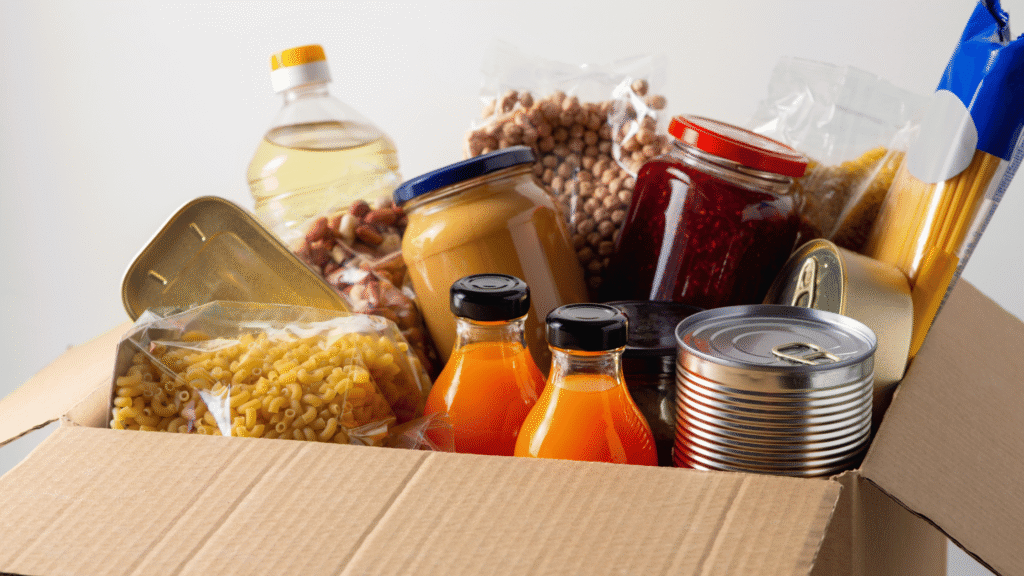
Introduction: Balancing Devotion and Business Sense
Merit-making ceremonies—whether it’s a monk ordination, house blessing, funeral, or temple donation—are deeply rooted in Thai culture. Providing food boxes for guests, monks, or volunteers is a common and respected practice. But for those organizing or catering these events, one challenge often arises: how to maintain quality while managing costs and ensuring profitability.
In today’s competitive landscape, whether you’re a caterer or an individual handling food preparation, it’s no longer just about putting rice and curry into a box. It’s about delivering value, presentation, taste, and service—all while keeping your bottom line in check.
This guide will walk you through the professional approach to managing food box costs for merit-making events while ensuring that your service remains desirable, profitable, and sustainable—no matter the occasion.
Understanding the Purpose and Expectations of Food Boxes
Before calculating costs or choosing a menu, it’s essential to understand the cultural and emotional weight behind these food boxes.
In merit-making events, food offerings are not just meals—they’re a symbol of generosity, gratitude, and community spirit. Guests expect a thoughtful, well-portioned, and hygienic meal that respects the occasion.
Key expectations:
- Balanced nutrition (main dish, side, dessert, drink)
- Attractive presentation (matching the event tone)
- Appropriate portions (not too little or wasteful)
- Timely delivery and temperature control
With these expectations in mind, cost management must never compromise quality, but instead work around it through strategic planning.
Step 1: Determine the Budget Framework
Start by setting a clear budget per box, which will guide your ingredients, packaging, labor, and overhead expenses.
Example Budget Breakdown (Per Box):
| Item | Target % | Budget (based on 60 THB/box) |
|---|---|---|
| Ingredients | 40–45% | ~24–27 THB |
| Packaging | 10–15% | ~6–9 THB |
| Labor (Cooking/Prep) | 15–20% | ~9–12 THB |
| Delivery/Logistics | 10% | ~6 THB |
| Profit Margin | 10–15% | ~6–9 THB |
Adjust this based on the scale of your operation and client expectations. For premium events (e.g., weddings, corporate merit ceremonies), your per-box cost and margin will naturally increase.
Step 2: Choose Menu Items Wisely
✅ Focus on Ingredients with High Yield and Low Waste
Choose items like stir-fried dishes, curries, or grilled meats that stretch well and store safely. Avoid expensive or volatile items like seafood or rare herbs unless necessary.
✅ Offer Modular Menu Sets
Create pre-defined menus (e.g., Standard, Premium, Monk Set) to simplify ordering and cost control. For example:
- Standard Set (45–55 THB): Rice + 1 main + dessert + water
- Premium Set (70–90 THB): Rice + 2 mains + fruit or Thai dessert + herbal drink
- Monk Set (90–120 THB): Vegetarian + fruit + traditional sweets + lotus drink
✅ Seasonal & Local Sourcing
Plan menus using ingredients that are in season and locally available to minimize cost fluctuations.
Step 3: Optimize Portion Control
One of the biggest cost leakages comes from over-portioning. Too much rice, oversized meat cuts, or excessive dessert can quickly erode your profit margins.
Tips:
- Use a weighing scale or standard-size ladles for consistency.
- Standardize box layouts to keep food from shifting or mixing.
- Offer small but satisfying dessert portions—e.g., 1 piece of Thai dessert instead of 3.
Bonus: Proper portioning also helps reduce food waste, a plus for both cost and sustainability.
Step 4: Invest in the Right Packaging
Packaging is a key part of the experience, especially in Buddhist ceremonies or formal merit events where presentation matters.
Packaging Tips:
- Choose eco-friendly, cost-effective containers like kraft boxes, reusable PP containers, or biodegradable alternatives.
- Avoid overly expensive bento boxes unless the event demands luxury.
- Consider using labels or stickers with the event’s name for branding or blessing.
Buying in bulk or negotiating directly with packaging suppliers can also lower costs.
Step 5: Streamline Your Supply Chain
Your supplier relationships can make or break your margins. Work with reliable vendors who offer bulk pricing and next-day delivery for staples like rice, oil, vegetables, and protein.
Smart Practices:
- Build a weekly price tracker to spot trends or sudden cost hikes.
- Establish a reserve supplier to avoid last-minute overpaying.
- Purchase pantry staples monthly and perishables daily or twice a week.
Some caterers also grow their own herbs or produce, especially for frequent high-volume orders.
Step 6: Plan for Scalability and Logistics
Catering for 30 boxes is not the same as catering for 300. You need to plan how scale affects:
- Cooking time and kitchen space
- Staffing for packing and delivery
- Delivery fleet or 3rd-party couriers
Tips:
- Use checklists for large orders (e.g., 5 people per 100 boxes).
- Label boxes clearly for different menu types (regular vs. vegetarian).
- Invest in insulated bags or food-grade thermal containers for long-distance deliveries.
Efficient logistics mean lower risk of delays, damaged packaging, and customer dissatisfaction—all of which affect profitability.
Step 7: Monitor and Adjust Based on Feedback
A professional caterer or event organizer knows the value of feedback. Post-event reviews can help you improve both cost control and customer satisfaction.
What to Monitor:
- Were there leftovers?
- Did guests feel full?
- Were there any complaints about taste, heat, or packaging?
Use this data to adjust portion sizes, remove unpopular dishes, or introduce new pricing tiers.
Bonus: Upsell and Add-On Opportunities
If you’re running a food box business, merit events can be more than just one-time orders. You can build your revenue with:
- Custom labels or branded packaging
- Premium monk sets with flowers or candles
- Combo deals with drinks or souvenir bags
- Event setup services (e.g., tablecloths, serving sets)
These add-ons create perceived value while expanding your profit per order.
Conclusion: Profitable Giving Is Possible
Merit-making events are about giving, kindness, and community—but they can also be financially sustainable when managed professionally. By applying smart budgeting, menu design, portion control, and efficient logistics, you can deliver food boxes that are both delightful for the heart and gentle on the wallet.
Whether you’re a seasoned caterer or organizing your first religious event, these strategies will help you provide meaningful offerings while maintaining healthy profit margins.
Because at the end of the day, doing good shouldn’t come at a loss—it should be rewarding in every sense.